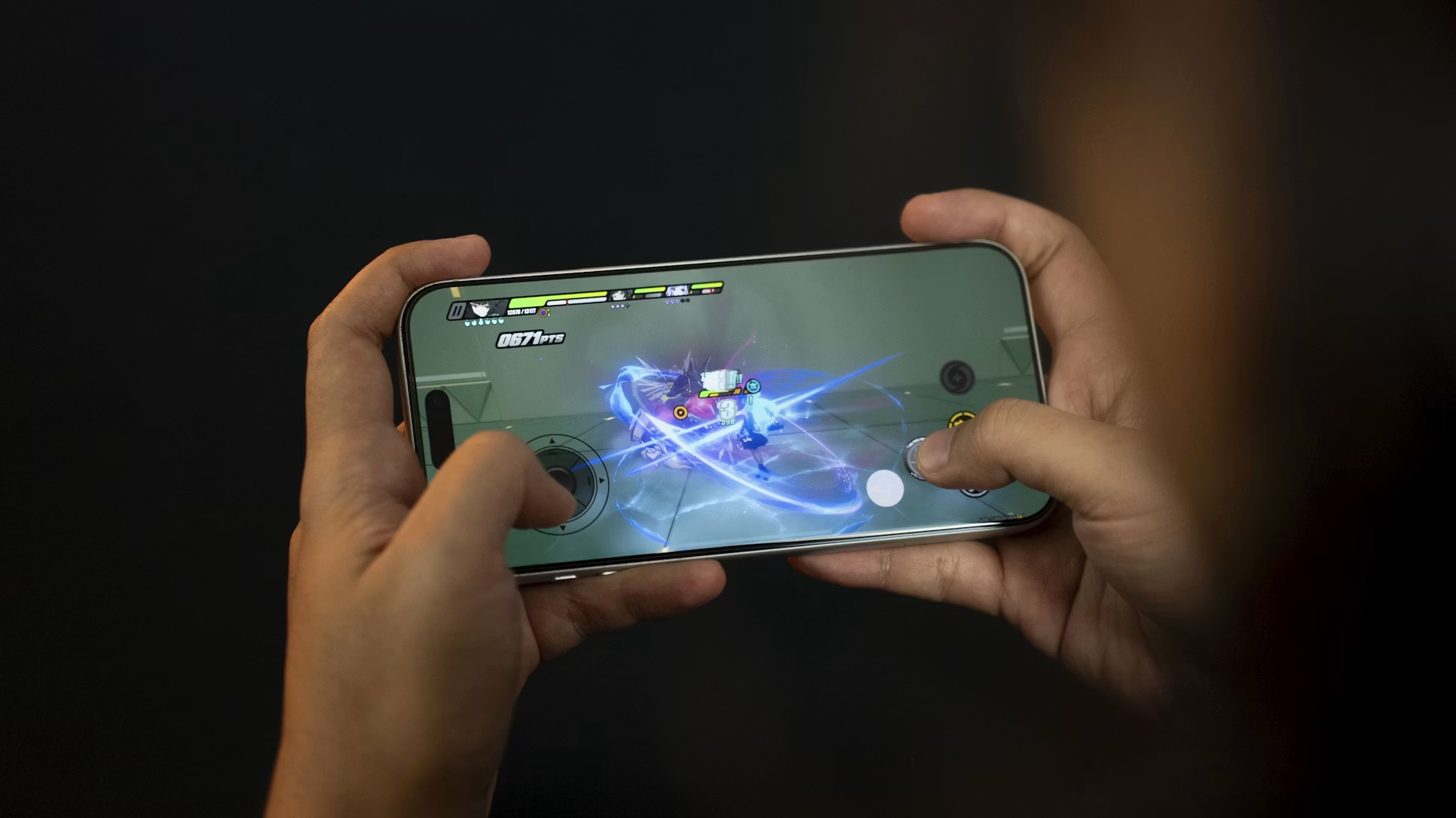
Why Mobile Games Became a Daily Break for Busy People
Crowded calendars leave little room for long, indulgent hobbies. Meetings slide into evenings, commutes stretch, and even lunch hours shrink under notification storms. Within those fractured gaps, mobile games slipped in quietly and turned into a reliable daily pause. A quick match-three, a single lap around a digital track, or a calm farm harvest asks for nothing more than a thumb and a few spare seconds and gives back a burst of focus that feels almost luxurious.
Screens already organise banking, groceries, and news, so play naturally followed. A casual mention of casino online spinfin in a chat about lunchtime distractions shows how wide the phone-based leisure spectrum has grown, from simple puzzles to more structured game worlds. Whether the goal is relaxation, a competitive rush, or a short mental reset, the device in a pocket now serves the need on demand.
Micro-Moments Make Perfect Playgrounds
Long-form pastimes—console titles, novels, gym sessions—demand blocks of time and a dedicated setting. Mobile games flourish because everyday life rarely offers either. A round can start while waiting for a kettle to boil and finish before the water cools. That friction-free rhythm matters to time-pressed students, parents, freelancers, and shift workers alike.
Tiny Wins, Tangible Perks
- Instant launch: One tap loads the next level faster than most apps open a settings menu.
- Flexible length: Three minutes or thirty—play adjusts to the gap available.
- Automatic progress saves: Lost connection on the metro? The game remembers everything.
- Gentle learning curves: Tutorials live inside early levels, so preparation feels invisible.
- Visible milestones: Coins, stars, and badges create a micro-dose of accomplishment without pressure.
Those tiny wins compound over days and weeks. Repeating a short cognitive challenge provides novelty plus mastery, two mental rewards usually missing from routine tasks such as email sorting or spreadsheet checks.
A commuter might finish a logic puzzle between stops, then close the app feeling subtly recharged. That sensation comes from switching context. Complex work often leans on analytical reasoning, while many casual games rely on pattern recognition, reflexes, or spatial planning—fresh circuits for a tired brain.
Design That Respects Real-World Chaos
Developers recognised early that phones compete with calls, texts, streaming, and social feeds. Modern mobile titles therefore build around everyday disruptions rather than fighting them. Short energy systems, offline modes, and bite-sized daily quests reflect realistic use patterns.
A lunch break rarely ends exactly when planned; a family conversation might interrupt at any time. By allowing instant pausing and automatic resume, games become polite companions instead of demanding hosts. Sound cues toggle off quickly, graphics scale down to spare batteries, and many titles even fit one-handed grips for crowded buses.
Paragraphs are also kept short inside on-screen stories. Walls of dialogue belong in novels, not five-inch displays. Visual cues carry much of the narrative, letting players absorb plot snippets in seconds. The best mobile experiences turn the phone’s limits—small screen, inconsistent attention—into purposeful features.
Plain-text leaderboards, asynchronous challenges, and optional cooperative events invite social interaction without requiring strict schedules. Friends thousands of kilometres apart can exchange high scores at midnight local time, each on separate timelines yet still sharing the same game world.
Everyday-Friendly Features
- Daily streak rewards: Small bonuses encourage quick log-ins rather than marathon sessions.
- Low data modes: Core assets download once, so occasional play does not drain monthly limits.
- Energy caps: Natural stopping points prevent unplanned hour-long dives.
- Adaptive difficulty: Levels lighten up after repeated failures, keeping frustration low.
- Offline side quests: Progress continues during flights, tunnels, or rural dead zones.
These choices transform the device into a personal arcade that cooperates with life instead of hijacking it. Good design nudges players to leave refreshed rather than drained, preserving the positive association that keeps the habit healthy.
A Modest Escape With Outsized Impact
Mobile play offers privacy that larger platforms cannot match. A quick session draws no attention in a café queue or doctor’s waiting room, so even those hesitant to claim the label “gamer” participate freely. The barrier to entry is essentially removed; if a person owns a phone, a game waits two taps away.
Repeated micro-escapes build a sense of agency. Work tasks arrive externally, often with shifting goals and unclear outcomes. In contrast, a puzzle level presents transparent rules and grants immediate feedback. Completing one reinforces competence, a psychological boost that bleeds into subsequent responsibilities.
Of course, balance matters. Healthy mobile gaming habits hinge on self-chosen limits. Notifications can be disabled, daily streaks remain optional, and energy timers create natural exit ramps. Used thoughtfully, mobile games function like a breath between paragraphs of an over-long script—small but powerful.
The Pocket-Sized Pause Becomes Routine
Busy lives are unlikely to slow down soon. Deadlines converge, social feeds expand, and digital noise rises. Against that backdrop, a short, colourful diversion offers a rare feeling: contained, controllable fun. A single clear objective, a well-defined end, and a touch of novelty reset mental circuits faster than many traditional breaks.
Phones did not invent casual play, yet combined portability, accessibility, and adaptive design in a way no previous platform managed. That trifecta explains why mobile games slipped from novelty to necessity for countless modern schedules. They occupy seconds that once evaporated and transform them into moments that genuinely matter.
In the end, the phenomenon looks simple. When time feels scarce, entertainment that respects each minute becomes priceless and the smallest screen in the room learns the lesson first.