Why Active Lifestyle Communities Continue to Attract Modern Homebuyers
Buyers Want More Than a Place to Live
Homebuyers today are often searching for more than attractive home designs and upgraded interiors. Many are looking for communities that support a more active, social, and connected lifestyle. This shift has influenced how residential neighborhoods are planned, especially in Florida communities where outdoor living remains a major part of daily life.
Neighborhoods designed around recreation and wellness have become increasingly attractive because they encourage residents to spend more time outdoors and engage with their surroundings. Walking trails, parks, pools, fitness areas, and sports courts are now viewed as valuable lifestyle features rather than optional extras.
For many buyers, the appeal comes from having opportunities for recreation and social interaction close to home. Communities that support outdoor activities often foster a stronger sense of connection among residents while also encouraging healthier daily routines.
As interest in lifestyle-focused living continues to grow, buyers researching new townhomes are paying closer attention to the overall community environment as well as the homes themselves.
Outdoor Recreation Shapes Daily Routines
Recreation amenities can influence how residents spend their time throughout the week. Communities with walking paths, bike trails, playgrounds, and sports courts often encourage people to stay more active without leaving the neighborhood.
Pickleball courts have become especially popular in modern residential developments because they attract residents of all ages. The sport encourages physical activity while also creating opportunities for social interaction among neighbors.
Pools and outdoor gathering spaces also contribute to a more active atmosphere. Families may spend weekends outdoors together, while retirees and remote workers often appreciate having recreation opportunities available throughout the day.
Many buyers relocating to Florida specifically want neighborhoods where outdoor living can remain part of everyday life year-round. Communities designed around recreation often provide that experience more naturally than neighborhoods focused only on residential construction.
Residents who regularly use community amenities may also feel more connected to their surroundings because they spend additional time interacting with neighbors and participating in shared activities.
Walkable Neighborhoods Continue to Grow in Popularity
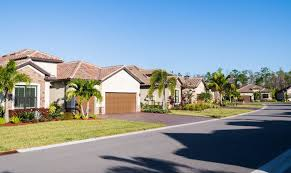
Walkability has become another major factor influencing modern residential planning. Buyers increasingly appreciate neighborhoods where they can comfortably walk, bike, or access recreation areas without relying entirely on vehicles.
Sidewalks, connected trails, and centrally located amenities often create a more convenient and engaging community experience. Families may value neighborhoods where children can safely ride bikes or walk to parks, while adults often appreciate easier access to outdoor spaces and gathering areas.
Communities with walkable layouts frequently encourage more outdoor activity and social interaction. Residents naturally encounter neighbors while using trails, visiting recreation spaces, or walking through shared areas.
This style of development has become increasingly attractive to buyers seeking a more balanced daily routine. Instead of commuting to recreational facilities or parks outside the neighborhood, residents can often access them within the community.
For many buyers, convenience and lifestyle now influence purchasing decisions just as much as the homes themselves.
Community Amenities Support Social Connection
Modern buyers often place greater value on neighborhoods where residents interact naturally, and community engagement feels more active. Recreation amenities frequently help create this environment by encouraging people to spend more time in shared outdoor spaces.
Neighborhood events, sports activities, and casual gatherings around pools or parks can help strengthen relationships among residents. Families may connect through children’s activities, while adults often meet during walks, fitness activities, or recreational sports.
Communities designed around active living may feel more welcoming because residents become familiar with one another through repeated interaction. This atmosphere can be especially appealing for buyers relocating from other cities or states who want to build connections within their new neighborhood.
For townhome buyers, these social opportunities often add value beyond the home itself. Access to recreation spaces and outdoor gathering areas may contribute heavily to overall homeowner satisfaction after moving in.
As residential preferences continue to evolve, lifestyle-oriented communities remain highly attractive across age groups.
Buyers Continue Prioritizing Lifestyle-Focused Communities
The growing popularity of active lifestyle communities reflects broader changes in buyer expectations. Many homebuyers now prioritize recreation, wellness, walkability, and social engagement alongside modern residential design.
Communities that integrate outdoor living and recreation into everyday life often appeal to buyers seeking a more connected and enjoyable living experience. These neighborhoods support activities that encourage residents to stay active and build stronger relationships within the community.
For buyers exploring new townhomes in Parrish, FL, North River Ranch offers a community environment centered around recreation, outdoor living, and connected neighborhood experiences.
Why are active lifestyle communities becoming more popular?
Many buyers want neighborhoods that support recreation, wellness, social interaction, and outdoor living as part of everyday life.
What amenities do buyers look for in new townhome communities?
Buyers often search for trails, pools, pickleball courts, parks, fitness areas, and walkable community layouts.
Why is walkability important in residential communities?
Walkable neighborhoods encourage outdoor activity, convenience, and regular interaction among residents.
How do recreation amenities improve community living?
Recreation amenities create opportunities for exercise, relaxation, and social engagement within the neighborhood.
read more : Why Professional Periodontists Recommend Frenectomy Treatments