What Makes Junior High Art Programs Effective For Students?
A classroom filled with color, sketches, and quiet focus can shape more than artistic skill. It can influence how students think, express ideas, and solve problems in daily life. This article explores what makes art programs effective at the junior high level and why they matter during these formative years.
A strong junior high art curriculum supports creativity while building structure and discipline. It gives students a space to explore ideas without pressure and helps them develop confidence in their work. The sections below explain key elements that define effective programs and how they guide students toward meaningful growth in both skill and mindset.
Clear Structure Builds Creative Confidence
A well-planned art program balances freedom with clear direction. Students benefit from lessons that guide them through techniques while allowing space for personal expression. This structure helps them understand how to approach projects with purpose.
In junior high, students begin to form stronger opinions about their abilities. A structured curriculum helps reduce uncertainty and builds confidence through small, achievable steps. When students know what to expect, they engage more fully and feel comfortable exploring their creative ideas.
Skill Development Through Guided Practice
Art programs become effective when they focus on steady skill development. Students learn techniques such as shading, composition, and color balance through repeated practice. These skills build a strong foundation for more complex work.
Key Areas of Skill Growth
- Drawing fundamentals and observation skills
- Use of different materials and tools
- Understanding visual balance and composition
This consistent practice helps students improve without feeling overwhelmed. It also encourages patience, which is an important part of the creative process.
Space for Personal Expression Matters
Creative freedom allows students to connect with their work on a personal level. Art programs that encourage individuality help students explore their ideas and emotions. This freedom supports both artistic growth and self-awareness.
Why Expression Matters
- Students gain confidence when their ideas are valued.
- They learn to communicate thoughts without relying on words.
- They develop a stronger sense of identity through creative work.
A supportive environment makes it easier for students to take creative risks. This leads to more meaningful and engaging projects.
How Teachers Help In Student Growth
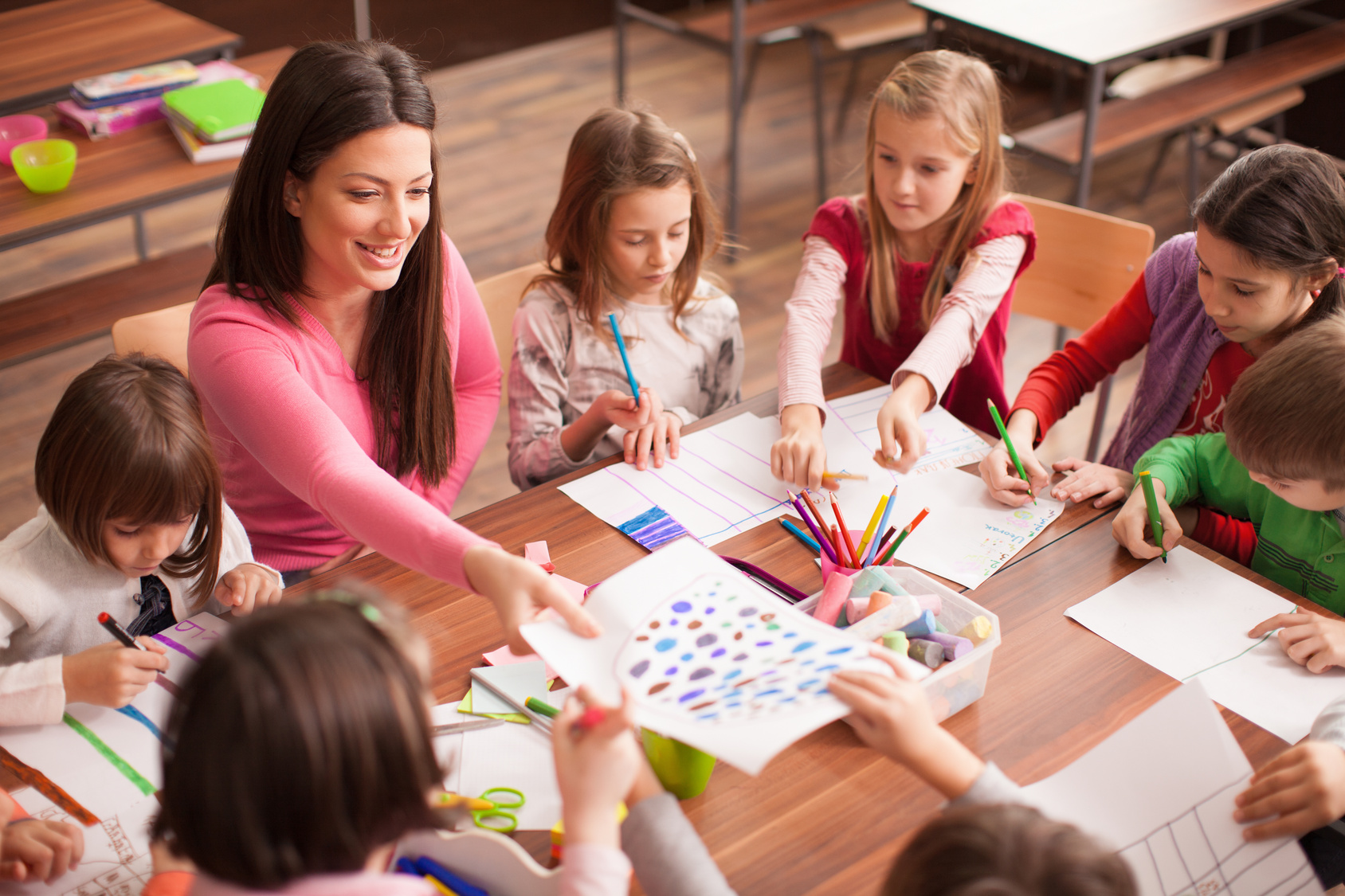
Teachers play a central role in shaping the effectiveness of an art program. Their guidance helps students refine skills and understand concepts more clearly. A supportive teacher creates a space where students feel encouraged to improve.
How Teachers Make a Difference
- Experienced educators provide feedback that feels constructive and clear.
- They adapt lessons based on student progress and learning pace.
- They create an environment where questions feel welcome and valued.
This connection between teacher and student builds trust and encourages consistent effort.
Balance Between Technique and Creativity
An effective program finds the right balance between technical learning and creative exploration. Students need both structure and freedom to develop fully. Too much focus on one side can limit progress.
In a strong junior high art curriculum, lessons combine technical exercises with open-ended projects. This approach helps students apply what they learn in a meaningful way. It also keeps the experience engaging, which encourages long-term interest in art.
Long-Term Impact on Student Development
Art programs influence more than creative ability. They support problem-solving, focus, and emotional expression. These skills extend beyond the classroom and contribute to overall development.
Students who participate in effective art programs usually show greater confidence in other subjects. They learn to approach challenges with patience and creativity. This lasting impact highlights the value of a thoughtful and well-structured program.
Art education at the junior high level plays a meaningful role in shaping both skills and confidence. A strong junior high art programme combines structure, practice, and creative freedom to support student growth. These programs help students express themselves, build discipline, and develop valuable life skills. With the right balance and guidance, art classes can create a positive and lasting influence on how students learn and think.