Home Additions vs. Moving: Which Option Makes More Sense for Growing Families?
As families grow, the home that once felt spacious can quickly start to feel crowded. A new baby, older children needing separate rooms, remote work, aging parents, or simply the desire for more functional living space can all create pressure to make a big housing decision. At that point, many homeowners face the same question: is it better to move to a larger property or invest in a home addition?
Why Growing Families Often Outgrow Their Homes
A home rarely becomes too small overnight. More often, the problem appears gradually. A dining room becomes a homework station, the living room turns into a playroom, and a bedroom begins doubling as an office. Over time, daily routines become less comfortable because the home no longer supports the family’s lifestyle.
Common signs that a family has outgrown its home include:
- Children sharing rooms when they need more privacy
- No dedicated office or study area
- A cramped kitchen or dining space
- Limited storage for everyday items
- Lack of guest space for relatives
- One bathroom serving too many people
- No flexible room for hobbies, fitness, or play
When these issues become part of everyday life, the decision is no longer just about square footage. It becomes about comfort, privacy, functionality, and the quality of family routines.
The Case for Moving to a Larger Home
Moving can be the right choice when a family’s current home has major limitations that cannot easily be changed. For example, the lot may be too small for an addition, the home may have serious structural issues, or the location may no longer fit the family’s lifestyle. In those cases, buying a larger home can provide a cleaner solution.
A move may also make sense when the family wants more than extra rooms. They may need a different school district, a shorter commute, a larger yard, or a neighborhood with better access to parks and services. If the current location no longer supports long-term goals, remodeling may not solve the real problem.
Advantages of Moving
The biggest advantage of moving is that it can provide a complete lifestyle reset. Instead of trying to adapt an existing home, the family can look for a property that already has the right number of bedrooms, bathrooms, storage areas, and outdoor features.
The Case for Building a Home Addition
A home addition can be a smarter option when the family likes where they live but needs the house to work better. Instead of starting over somewhere else, homeowners can expand the property and create space designed around their exact needs.
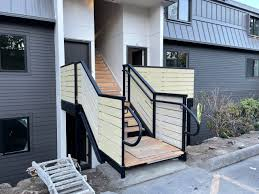
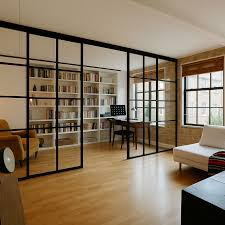
This may include adding a bedroom, extending the kitchen, building a family room, creating a primary suite, adding a second floor, or constructing a separate living area for relatives. For homeowners researching remodeling solutions, working with experienced contractors for home additions in Seattle can help turn a space problem into a long-term improvement without giving up the neighborhood, schools, and daily routines the family already values.
Advantages of Home Additions
The main benefit of a home addition is control. When buying another house, families often compromise. One home has the right layout but the wrong location. Another has enough bedrooms but an outdated kitchen. A home addition allows homeowners to build the missing space in a way that fits their lifestyle.
Another advantage is emotional continuity. Families do not have to leave behind the place where they built memories. Children can stay in the same schools, parents can keep familiar commutes, and everyone can remain connected to the community.
Home additions can also increase property value when planned correctly. Extra bedrooms, larger kitchens, additional bathrooms, and flexible living spaces often make a home more attractive to future buyers.
Best Types of Additions for Families
Different families need different types of space. Some need private rooms, while others need open shared areas. The most valuable addition is the one that solves the real daily problem.
Popular options include:
- Bedroom addition for children or guests
- Expanded kitchen and dining area for family meals
- Family room or playroom for shared activities
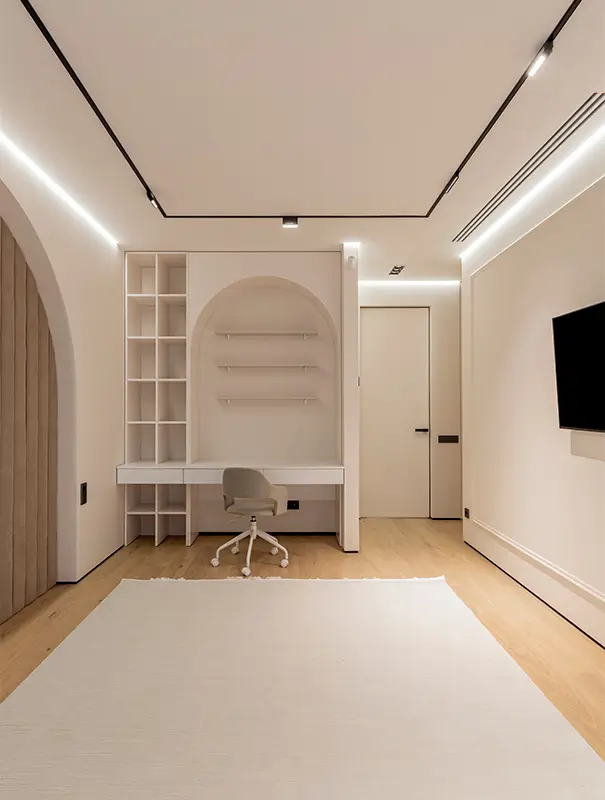
- Home office for remote work
- Primary suite for more privacy
- Extra bathroom to reduce morning stress
- In-law suite for multigenerational living
- Mudroom or storage addition for busy households
A successful addition should feel like a natural part of the home, not an awkward attachment. The design should consider traffic flow, light, storage, privacy, exterior appearance, and how the family’s needs may change over time.
Final Thoughts: Which Option Is Better?
There is no universal answer to the home addition vs. moving debate. For some growing families, moving provides the space, location, and lifestyle change they need. For others, a well-planned home addition is the smarter choice because it preserves the neighborhood, improves daily comfort, and adds long-term value to a property they already love.