How HVAC Companies Are Using Smart Diagnostics to Detect System Failures Early
Modern heating and cooling systems are no longer maintained only through manual inspections and reactive repairs. The rise of connected devices, sensors, and real-time data analysis has reshaped how technicians understand system behavior inside residential and commercial environments. Instead of waiting for a breakdown, service providers can now observe performance patterns continuously and identify subtle irregularities before they develop into major failures. This shift has changed maintenance from a reactive process into a predictive one, where information gathered from equipment guides decisions long before discomfort or downtime occurs.
Smart Monitoring Changing Maintenance Approaches
- From reactive to predictive system care
Smart monitoring has become a central part of how modern service providers track system performance. Instead of relying on occasional checkups, connected sensors placed within heating and cooling units constantly measure temperature fluctuations, airflow consistency, humidity levels, and energy usage. These data points are transmitted to digital platforms where patterns are analyzed over time. When a deviation occurs, even if it is small, the system flags it as a potential concern. This allows technicians to respond early, often before the user notices any change in comfort levels. Over time, this approach reduces unexpected breakdowns and extends the operational life of equipment.
It also helps identify recurring inefficiencies that might otherwise go unnoticed during routine inspections. The result is a more stable and predictable performance environment, where problems are addressed based on evidence rather than visible failure.
- Data-Driven Diagnostics in Modern Systems
One of the most transformative changes in system maintenance is the ability to interpret data in real time. Instead of waiting for a unit to stop functioning, diagnostic tools continuously evaluate how components interact. Pressure levels, electrical consumption, compressor cycles, and airflow resistance are all tracked simultaneously. When anomalies appear, technicians can trace the issue back to a specific component or operational stage. This reduces guesswork and significantly shortens troubleshooting time. In many cases, small inconsistencies in power usage can reveal deeper mechanical wear that would otherwise remain hidden until a full breakdown occurs. HVAC systems benefit greatly from this approach because it allows maintenance teams to intervene before minor inefficiencies escalate into costly failures.
This continuous feedback loop is widely used by modern service providers to improve how HVAC systems are monitored, adjusted, and maintained over time. For homeowners looking into heating and cooling support in Chandler, companies such as https://www.semperfiheatingcooling.com/heating-cooling-chandler-az/ can explain how performance monitoring and diagnostic insights improve system reliability. It also supports more accurate calibration adjustments, ensuring equipment operates closer to optimal conditions rather than reacting only after problems develop. Over time, the accumulation of performance data builds a detailed operational history for each unit, making future diagnostics more precise, reducing downtime, and improving long-term system efficiency.
- Sensor Integration and Component Tracking
The integration of sensors directly into system components has significantly improved visibility into internal operations. Instead of relying solely on external checks, modern units now include embedded devices that monitor specific parts such as fans, coils, compressors, and filters. These sensors collect granular information about wear levels, vibration intensity, and heat output. By tracking each component individually, technicians can determine not only when a problem is developing but also where it originates. This level of detail helps reduce unnecessary part replacements and ensures repairs are targeted and efficient. It also minimizes disruption for users, as service interventions become more precise and less invasive.
Over time, this approach contributes to better resource management because components are serviced based on actual condition rather than estimated schedules. The increased visibility also supports long-term planning, allowing service providers to forecast when replacements may be needed and prepare accordingly.
- Cloud-Based Analytics and Remote Access
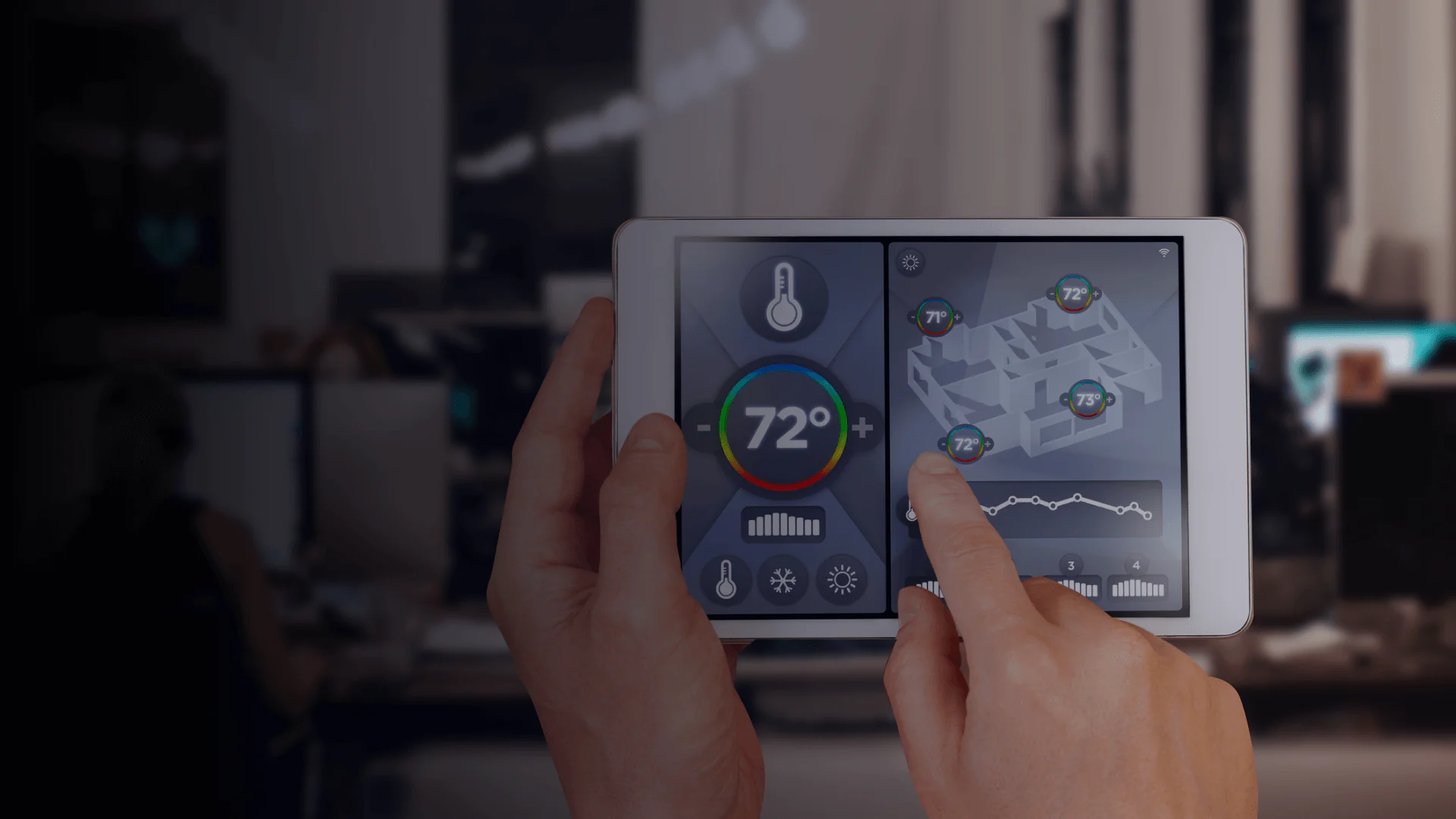
Cloud technology has expanded the reach of diagnostic systems beyond the physical location of equipment. Data collected from sensors is uploaded to secure platforms where it can be analyzed remotely by technicians and system managers. This allows continuous oversight without requiring on-site presence. When unusual patterns are detected, alerts are sent instantly, enabling faster response times. Remote access also allows technicians to review system history before arriving on site, which improves accuracy during repairs. In many cases, issues can even be resolved through remote adjustments or recalibrations, reducing the need for physical intervention.
This approach is particularly useful for managing multiple properties or large commercial installations where systems operate simultaneously across different locations. The ability to monitor everything from a central dashboard improves coordination and ensures that no warning signs are overlooked, even when systems are spread across wide geographic areas.
- Machine Learning and Pattern Recognition
Machine learning has added a new dimension to diagnostic capabilities by enabling systems to learn from historical performance data. Instead of relying only on predefined thresholds, algorithms analyze patterns over time and identify subtle correlations between variables. For example, a slight increase in energy usage combined with reduced airflow might indicate an emerging blockage or mechanical strain. These insights are not always visible through traditional monitoring methods. As more data is collected, the system becomes better at distinguishing between normal fluctuations and meaningful warning signs. This continuous learning process helps reduce false alarms and improve diagnostic accuracy. It also allows for more personalized system behavior analysis, since every installation has its own operational environment. Over time, predictive models become more refined, offering increasingly reliable forecasts of potential failures before they occur.
- Early Warning Systems and Preventive Action
Early warning systems play a crucial role in transforming how maintenance is scheduled and executed. Instead of waiting for user complaints or visible malfunctions, alerts are generated when performance metrics begin to drift from expected ranges. These alerts provide technicians with enough time to investigate and resolve issues before they escalate. In many cases, preventive action involves simple adjustments such as cleaning components, recalibrating settings, or replacing worn parts before they fail.
This reduces downtime and avoids sudden disruptions in comfort. It also helps maintain consistent energy efficiency, since systems that operate under strain tend to consume more power. By acting on early warnings, service providers can maintain smoother operations and reduce long-term repair costs. The focus shifts from emergency response to planned intervention, creating a more controlled maintenance cycle.
The integration of smart diagnostics has redefined how modern heating and cooling systems are maintained and managed. Instead of relying on visible signs of failure, technicians now depend on continuous streams of data that reveal hidden inefficiencies and emerging issues. This shift allows for earlier intervention, reduced downtime, and improved system longevity. As technology continues to evolve, diagnostic tools will become even more precise, offering deeper insights into system behavior and performance trends. The result is a maintenance approach that prioritizes stability, efficiency, and long-term reliability, ensuring that systems operate smoothly while minimizing unexpected disruptions for users and property managers alike.