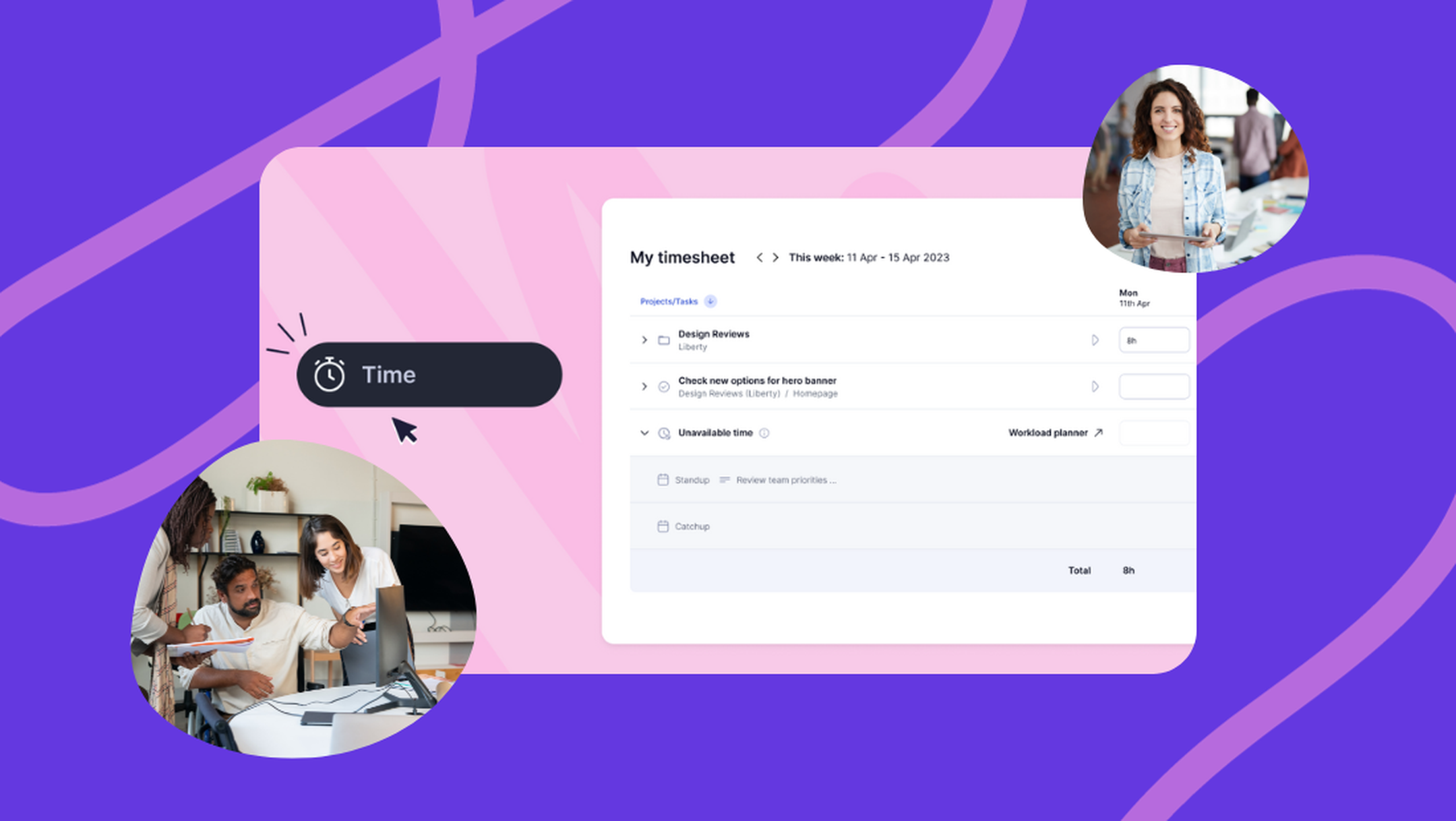
Why Scalable Time Tracking for Growing Teams Protects Your Profit Margins
Introduction
As your team grows, keeping track of hours, shifts, and payroll can quickly turn into a daily headache. What used to be manageable with a few spreadsheets or manual logs becomes harder to control when you are juggling multiple job sites and a larger workforce. Small tracking errors start to pile up, and before you know it, they begin affecting your payroll accuracy and overall budget.
Growth is a good problem to have, but it also exposes gaps in your existing processes. Without the right systems in place, even simple tasks like approving timesheets or calculating overtime can take far longer than they should. This added complexity slows down your operations and pulls attention away from more important business priorities.
This is where scalable time tracking makes a real difference. Instead of relying on outdated systems, businesses need tools that grow alongside them. A flexible setup helps reduce manual work, improves accuracy, and gives you better visibility into where your labor costs are going.
When done right, time tracking becomes more than just an admin task. It becomes a reliable way to protect your margins while keeping your operations running smoothly.
Key Takeaways
- Scalable time tracking reduces payroll errors and improves workforce accountability
- Automated tools help prevent time theft and eliminate manual data entry
- Mobile solutions support growing teams without requiring expensive hardware
- Integrated platforms simplify everything from onboarding to payroll
The Hidden Costs of Expanding a Shift-Based Workforce
Hiring more employees naturally adds complexity to your operations. Managing multiple shifts, locations, and pay structures creates a level of detail that basic tools often cannot handle. When businesses rely on manual processes, errors become inevitable.
Even small inaccuracies can have a big impact. Paying just a few extra minutes per employee each day may not seem like much, but over time it adds up and cuts into your profits. Managers often end up spending extra hours reviewing timesheets instead of focusing on growth.
There are also compliance risks to consider. Labor laws require accurate tracking of overtime, breaks, and records. Without a dependable system, it becomes difficult to stay compliant, which can lead to penalties or disputes. As your workforce expands, these risks only increase.
Time theft is another common issue. Without proper tracking, practices like buddy punching or extended breaks can go unnoticed. This results in higher payroll costs without a clear return, putting unnecessary strain on your budget.
Beyond financial impact, these inefficiencies can also affect employee morale. When payroll errors occur or schedules become confusing, trust can erode quickly. Employees expect accuracy and fairness, and failing to deliver that consistently can lead to dissatisfaction or higher turnover.
Core Features of Scalable Time Tracking
As your business grows, your time tracking system needs to keep up. The right platform should make it easy to add new employees, manage schedules, and maintain accurate records without extra effort.
Modern systems include built-in safeguards against time theft. Instead of relying on simple PIN codes, many platforms now use biometric tools and location-based tracking to ensure accuracy. These features help verify that the right person is clocking in at the right place and time.
Mobile functionality is another key advantage. Rather than installing physical time clocks at every site, employees can clock in using their own devices. This approach is faster, more flexible, and far easier to scale as your operations expand.
Another important feature is real-time visibility. Managers can instantly see who is clocked in, where they are working, and how many hours have been logged. This allows for better decision-making on the spot, whether it is adjusting staffing levels or reallocating resources.
These features work together to create a system that is both efficient and reliable, even as your workforce becomes more complex.
How a Complete Team Management Solution Protects Your Budget
Basic time tracking tools only capture clock-in and clock-out data. A complete solution goes further by connecting time tracking with payroll, onboarding, and reporting in one place.
This is where businesses start to see real financial benefits. With everything centralized, you reduce admin work and minimize the risk of errors caused by disconnected systems.
Job costing is one of the most valuable features in a full platform. By tracking time against specific projects, you gain a clearer understanding of how labor impacts your overall costs. This makes it easier to identify issues early and adjust before they affect profitability.
Here is a simple way this process works:
- Set up each project or client in the system
- Break work into clear phases or tasks
- Assign cost categories to each activity
- Track employee time in real time
- Review reports to compare actual costs against estimates
Having this level of visibility allows you to make smarter decisions and keep projects on track financially. Instead of reacting to budget overruns after they happen, you can prevent them from happening in the first place.
| Basic Time Tracking | Complete Team Management |
| Limited to tracking hours worked | Tracks time, projects, and labor costs in detail |
| Requires manual payroll processing | Automates payroll and reporting |
| Uses shared or outdated systems | Uses mobile apps with advanced tracking |
| Lacks integration with HR tasks | Connects onboarding, tracking, and payroll |
Why Businesses Are Moving to Smarter Workforce Tools
More companies are moving away from manual systems because they simply do not scale well. As teams grow, the need for accuracy, speed, and transparency becomes more important.
Switching to reliable time clock solutions allows businesses to streamline their operations without adding extra workload. Instead of chasing down timesheets or fixing payroll errors, managers can focus on improving performance and supporting their teams.
Employees also benefit from a clearer and more consistent system. When time tracking is simple and accurate, it builds trust and reduces confusion around pay and schedules. This leads to a more engaged workforce and fewer administrative disputes.
In addition, having a reliable system in place supports long-term growth. As you expand into new locations or take on larger projects, your processes remain consistent and scalable. You do not have to constantly adjust or rebuild your systems to keep up with demand.
Conclusion
Managing labor costs during periods of growth requires more than basic tools. Outdated systems create unnecessary work, increase the risk of errors, and make it harder to stay compliant.
Scalable time tracking offers a better approach. With the right system in place, you gain accurate data, improved accountability, and full visibility into your workforce costs.
By moving to a unified solution, you simplify your processes and create a stronger foundation for growth. Instead of dealing with administrative challenges, you can focus on running your business and protecting your profit margins.
Investing in the right tools today ensures that your business is prepared for tomorrow. As your team continues to grow, your systems will support that growth instead of holding it back.