Navigating Complex Construction Labor Law Claims In The Bronx
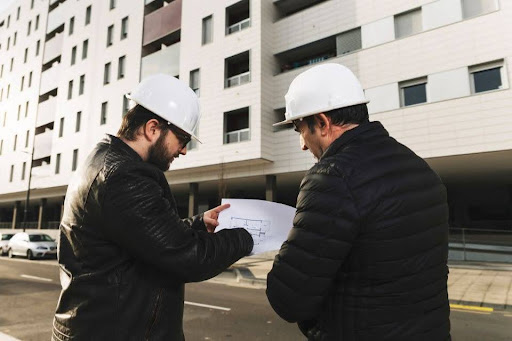
The skyline in this part of New York is constantly changing as new residential towers and infrastructure projects rise above historic neighborhoods. This construction boom brings jobs and revitalization but also creates one of the most dangerous work environments in the city. The density of active sites means that heavy machinery and scaffolding are a constant presence for local laborers.
Working on these sites requires high skill and a commitment to safety protocols that can never be overlooked by management. When a developer or contractor prioritizes speed over protection, the results are often life-changing for families involved in a sudden fall. The physical toll of an injury leads to long recovery times and significant financial stress for the entire household.
Navigating the specific legal landscape of the city requires a partner who knows the local court systems and New York statutes. Partnering with a skilled Bronx construction accident lawyer ensures that your rights are protected against the powerful corporations that dominate the local skyline. Having an advocate by your side is the best way to hold negligent site owners accountable.
Strict Protections Under the State Scaffold Law
New York is unique in its commitment to protecting workers who are performing duties at a significant height. Section 240 of the labor law places the ultimate responsibility for safety on the property owners and general contractors. This statute ensures that laborers are provided with proper braces, hoists, and stays while working on elevated platforms.
The law applies a standard of absolute liability for gravity related accidents, meaning that if a safety device fails, the owner is responsible. This protection is vital because falls from heights represent a significant portion of severe injuries in the metropolitan area. It removes the burden of proving exactly how a worker slipped during the job.
Contractors often fight against these protections in the state legislature, but the law remains a critical shield for the workforce. Without this strict standard, many sites would cut corners on expensive safety equipment to save money on overhead costs. It ensures that the people building the city are not treated as disposable assets.
Managing Workers Comp and Third Party Lawsuits
Most people assume that workers compensation is the only source of recovery after a workplace injury, but the reality is more complex. While these benefits cover medical bills and a portion of lost wages, they fall short of covering the total financial impact. This system was designed as a compromise that limits the ability to sue.
A third party lawsuit allows an injured person to seek additional damages from other negligent entities involved in the project. This could include the property owner, the general contractor, or the manufacturers of defective equipment that failed at the scene. These claims open the door to compensation for pain, suffering, and long term disability.
Identifying these third parties requires a thorough investigation of the contracts and daily logs used on the job site. A legal team must determine who had the authority to control the work area and who failed to maintain safety. Coordinating these two types of claims is a necessary step for securing full recovery.
Preserving Evidence Through Prompt Site Investigations
Active construction sites are dynamic environments where evidence can be swept away or altered in a matter of minutes. The hazardous condition that caused a trip or a fall might be repaired or covered up before a report is even filed. It is vital to have a team on the ground as quickly as possible.
Photographs of the scene, the tools involved, and the surrounding safety signage are critical pieces of evidence for any claim. Digital records of the weather and the lighting conditions provide context that standard reports often miss. These facts are much harder for a corporate defense team to dispute during a deposition or a trial.
Local site investigations should also include interviews with co-workers and witnesses who were present during the shift. These statements capture the reality of the work culture and whether safety warnings were being ignored by supervisors. Gathering this information immediately prevents the collective memory of the site from fading over time.
Conclusion
The legal path following an accident is filled with specific statutes and procedural hurdles that demand expert attention. Successfully managing a claim requires more than just a general knowledge of the law. Every site has its own set of challenges that can impact the outcome of a personal injury case today.
Localized legal experience is the key to navigating the complex labor laws that govern massive development projects. An advocate who knows the local courtrooms and the common tactics of contractors provides a significant advantage for recovery. They recognize the pressure that workers face and the importance of holding powerful entities accountable for failures.
Protecting a family after a catastrophic injury is a heavy responsibility that no person should carry alone. By partnering with a dedicated professional, workers ensure that the truth of the accident is heard and financial needs are met. The commitment to a safe workplace starts with a strong defense for the people building the city.