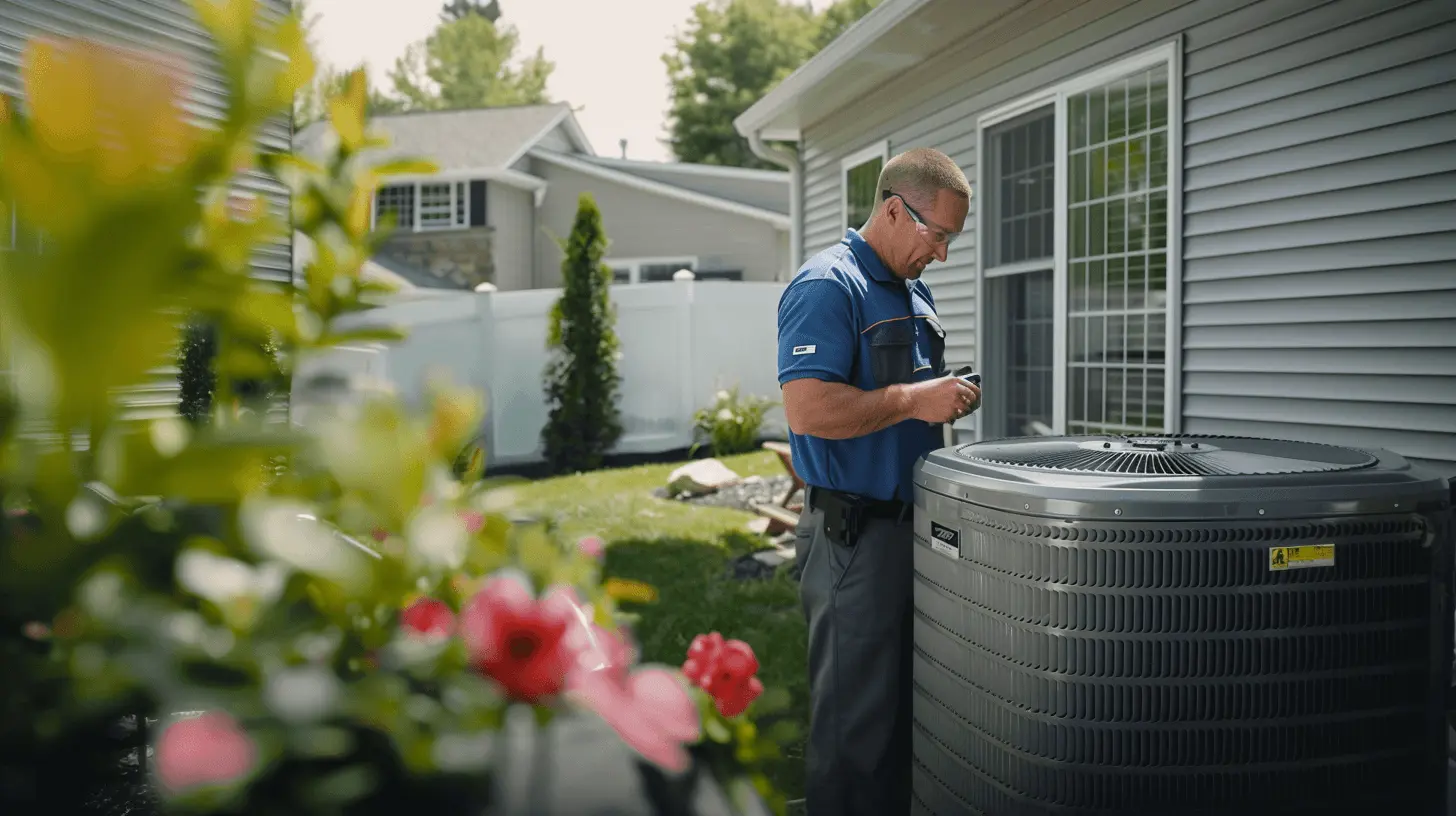
What Homeowners Overlook Before Scheduling HVAC Service Visits
Scheduling an HVAC service visit often feels straightforward, yet many homeowners miss small but important preparation steps that influence the outcome of the appointment. From access to equipment areas to understanding system behavior beforehand, these details can affect how smoothly technicians work and how quickly issues are identified. Overlooking these elements may lead to delays, repeated visits, or incomplete diagnostics that could have been avoided with better readiness.
A little awareness before the appointment can improve communication and ensure the system receives proper attention. Many problems are not technical at first glance but arise from simple household conditions and expectations overall.
Before HVAC Appointment Planning
- Overlooked Home Readiness Factors
Clear pathways inside a home are often underestimated when preparing for an HVAC service visit. Technicians typically need to move between outdoor units, attics, basements, and indoor vents, and any obstacles along these routes can slow down inspection and repair work. Furniture, storage boxes, or even locked gates may unintentionally limit access and prevent a full evaluation of the system. In many cases, homeowners assume a technician will automatically request clearance, but this assumption can lead to unnecessary delays. Ensuring open space around equipment allows for safer movement and more accurate assessment of components. It also reduces the risk of accidental damage to household items during the process. Proper access is not just about convenience but about enabling a smoother workflow that helps identify issues efficiently.
When pathways are clear, technicians can focus entirely on diagnosing the system rather than navigating avoidable barriers that interrupt their progress. This preparation also helps reduce overall service time and supports more precise diagnostic readings from testing tools used during the visit.
- Understanding System Symptoms Early
Many homeowners wait until a system stops working completely before seeking help, but earlier signs often indicate developing issues. Unusual noises, inconsistent airflow, and unexpected temperature changes can all signal underlying problems that should not be ignored. Recognizing these patterns early can reduce strain on equipment and prevent more costly interruptions later. Technicians rely on detailed descriptions from occupants to narrow down potential causes before a physical inspection begins, making communication a key part of the service process. Many appointments become more efficient when homeowners provide a clear timeline of symptoms and any recent changes in performance.
HVAC Services often depend on accurate observation from the household to guide effective troubleshooting during visits. When small irregularities are reported early, technicians can address them before they escalate into larger system failures that affect comfort and energy use throughout the home. This proactive approach also supports better long-term system efficiency and reduces unnecessary strain on key components.
- Electrical and System Readiness
Before a technician arrives, many homeowners do not consider the importance of ensuring that electrical components connected to heating and cooling systems are easily accessible and functional. Circuit breakers, outdoor disconnect boxes, and power switches may need to be checked or reset during diagnosis, and blocked access can slow down the process. It is also common for people to overlook minor electrical irregularities that may have contributed to system interruptions. Loose connections or tripped breakers are sometimes mistaken for larger mechanical failures, leading to unnecessary concern. Ensuring that these components are visible and reachable allows for faster assessment and reduces guesswork.
Technicians often depend on initial electrical readings to determine whether issues stem from power supply or internal system faults. When these elements are properly prepared, the service visit becomes more structured and less reliant on trial-and-error troubleshooting, enabling clearer identification of the root cause. Homeowners often overlook that even small electrical inconsistencies can mislead initial troubleshooting, making early preparation an important part of ensuring accurate diagnostics and efficient resolution during the visit.
- Filter and Airflow Assumptions
Air filters and airflow pathways are often overlooked during preparation for a service appointment because many homeowners assume these elements require attention only during scheduled maintenance cycles. However, clogged filters or obstructed vents can significantly influence system performance and may even mimic more serious mechanical issues. Technicians frequently begin inspections by evaluating airflow consistency, and restricted circulation can lead to misleading initial impressions. In some cases, replacing or cleaning a filter before a visit could help clarify whether performance issues are system-related or simply maintenance-related.
Proper airflow ensures accurate temperature readings and prevents the system from overworking to compensate for blockages. Many people also forget that furniture placement or closed vents in certain rooms can alter airflow balance, affecting comfort throughout the home. Understanding how air moves through a space helps homeowners recognize that small adjustments can have a noticeable impact on overall system efficiency. This awareness also helps prevent unnecessary service interruptions that can occur when airflow issues are discovered late in the inspection process.
- Timing, Scheduling, and Household Coordination
Another commonly overlooked factor is the timing of the appointment and how household activities are coordinated around it. Many service visits become less efficient when multiple distractions are present, such as ongoing renovations, children moving through work areas, or pets interfering with equipment zones. Scheduling the visit during a quieter part of the day can help technicians focus fully on their inspection and repair tasks without interruptions. It is also important to consider how long certain procedures may take, as some diagnostic steps require extended observation or testing periods. When homeowners anticipate these time requirements, they are less likely to interrupt the process prematurely.
Clear scheduling also allows technicians to plan their workload more effectively, ensuring adequate time is allocated for each task. A well-coordinated environment helps reduce confusion and supports a smoother interaction between the household and the service provider, ultimately improving the quality of the visit. This planning also helps avoid overlapping household disruptions that can interfere with accurate system evaluation. Clear communication about expected arrival times and service duration also helps reduce stress and allows homeowners to prepare the space more effectively, ensuring the technician can work without unnecessary interruptions or delays from last-minute adjustments.
- Final Thoughts on Preparation Gaps
Many homeowners assume that scheduling an HVAC service visit only requires selecting a convenient date, yet preparation plays a much larger role in the appointment’s effectiveness. Small oversights related to access, system awareness, electrical readiness, airflow conditions, and household timing can influence how smoothly the visit proceeds. When these elements are considered in advance, technicians can work more efficiently and identify issues with greater clarity.
Better preparation also helps reduce repeat visits and improves communication between both parties. A thoughtful approach before the appointment ensures that the system receives proper attention and the process remains organized and productive for everyone involved.