How HVAC Technicians Diagnose Problems Without Full System Replacement
HVAC systems are designed to regulate indoor comfort, but when issues arise, many people assume the entire system must be replaced. In reality, trained technicians rely on structured diagnostic methods to isolate faults and restore performance without unnecessary replacements. These systems are built with multiple interacting components, meaning a single failure point can often mimic a larger system breakdown.
Through careful inspection, measurement, and testing, technicians can determine whether the issue lies in electrical circuits, airflow restrictions, refrigerant imbalance, or sensor miscommunication. This approach helps preserve equipment lifespan and reduces disruption for property owners. Understanding how diagnostics work also helps users recognize that system failures are not always as severe as they appear at first glance.
Understanding HVAC Fault Detection Basics
- Component-Level Inspection in HVAC Systems
Diagnosing HVAC issues begins with a structured inspection of individual components rather than assuming system-wide failure. Technicians evaluate thermostats, capacitors, contactors, relays, and control boards to identify operational irregularities. Instead of replacing large sections of equipment, they isolate signals that indicate a malfunction, such as inconsistent voltage readings or abnormal cycling patterns. Airflow is also checked across ducts, filters, and vents to determine whether restrictions are causing performance issues. Temperature differentials between supply and return air provide additional clues about system efficiency. In many cases, what appears to be a major breakdown is traced to a single worn or misaligned component.
During this process, technicians, such as those at Tuck & Howell, often rely on structured diagnostic protocols that prioritize repair over replacement. This method not only reduces costs but also ensures that functioning components continue to serve their intended role within the system.
- Electrical Testing and Signal Analysis
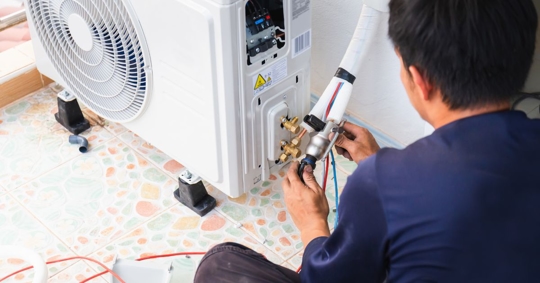
Electrical diagnostics form a critical part of identifying HVAC problems without replacing the entire system. Technicians use multimeters, clamp meters, and voltage testers to measure continuity, resistance, and current flow throughout the system. These readings help determine whether components are receiving proper power or if there are interruptions in the wiring circuits. Faulty capacitors or damaged relays often create symptoms that resemble compressor failure, but electrical testing can reveal the true source of the issue.
Control boards are also examined for error codes indicating communication breakdowns between system components. In many cases, replacing a small electrical component restores full system functionality. By interpreting electrical signals correctly, technicians avoid unnecessary replacement of larger, more expensive equipment. This analytical approach ensures that only malfunctioning parts are addressed, while the rest of the system continues to operate efficiently without disruption or added expense.
- Refrigerant Behavior and Pressure Evaluation
Refrigerant issues are among the most commonly misdiagnosed HVAC problems, often mistaken for full system failure when they are actually isolated imbalances. Technicians assess refrigerant levels using pressure gauges that measure both high- and low-side readings. These measurements help determine whether the system is overcharged, undercharged, or experiencing flow restrictions. Temperature comparisons across evaporator and condenser coils also provide insight into system performance. When refrigerant levels are incorrect, the system may struggle to cool or heat effectively, but this does not necessarily mean replacement is required.
Instead, technicians identify leaks, seal them, and restore proper charge levels. Restrictions caused by clogged filters or faulty expansion valves are also addressed during this stage. By focusing on refrigerant behavior rather than system-wide assumptions, technicians can restore efficiency and prevent unnecessary equipment removal or replacement.
- Airflow Imbalance and System Efficiency Checks
Airflow plays a major role in HVAC performance, and many issues stem from imbalances rather than mechanical failure. Technicians evaluate airflow using pressure readings, temperature differentials, and visual inspection of ductwork. Blocked filters, closed vents, or obstructed ducts can significantly reduce system efficiency, leading users to believe the system is failing entirely. In reality, restoring proper airflow often resolves heating and cooling inconsistencies. Fan motors and blower assemblies are also tested to ensure they operate at the correct speeds and deliver adequate circulation.
Even minor obstructions can create uneven temperature distribution across a building, which is why airflow analysis is essential during diagnostics. By correcting these imbalances, technicians can restore comfort levels without replacing core equipment. This method emphasizes restoration and adjustment rather than unnecessary system overhaul, preserving both functionality and investment.
- Sensor and Thermostat Communication Issues
Modern HVAC systems rely heavily on sensors and thermostats to regulate indoor conditions, and communication errors between these devices can create misleading symptoms. Technicians test thermostat calibration to ensure accurate temperature readings and verify that signals are properly transmitted to the control system. Faulty sensors may cause systems to short-cycle, run continuously, or fail to activate at appropriate times. Instead of replacing major components, technicians often resolve these issues by recalibrating or replacing small sensing devices.
Wiring connections are also inspected for looseness or corrosion, which can interrupt the flow of communication. Digital control boards are reviewed for software-related errors that may affect system response. By focusing on communication pathways rather than assuming mechanical failure, technicians can restore proper operation efficiently. This targeted diagnostic approach ensures that only the defective communication element is corrected while the rest of the system remains intact and functional.
- Mechanical Wear and Targeted Component Repair
Over time, HVAC systems experience natural mechanical wear, but this does not always require full replacement. Technicians assess motors, belts, bearings, and compressors individually to determine their condition. Unusual noises, vibration, or reduced performance often point to wear in specific parts rather than total system failure. Lubrication, tightening, or replacing small mechanical components can restore normal operation. Compressors, which are often considered critical components, are carefully evaluated before any replacement decision is made.
In many cases, external factors such as dirty coils or restricted airflow contribute to compressor strain rather than internal damage. By addressing these supporting issues first, technicians can extend the life of the compressor and avoid unnecessary replacement. Mechanical diagnostics focus on preserving existing equipment while restoring balance and efficiency through targeted repairs that address only the affected parts.
- System Calibration and Performance Restoration
Once individual issues are identified and corrected, technicians perform system calibration to ensure all components operate in harmony. This includes adjusting airflow settings, verifying refrigerant balance, and testing thermostat response cycles. Calibration ensures that heating and cooling output aligns with system capacity and environmental demands. Technicians also monitor system cycling patterns to confirm that equipment starts and stops at appropriate intervals. If inconsistencies remain, further fine-tuning is performed on control settings and sensor alignment.
Performance restoration is not just about fixing faults but ensuring that the entire system operates efficiently as a coordinated unit. This step confirms that no underlying issues remain hidden after repairs. By focusing on recalibration rather than replacement, technicians maximize system lifespan and maintain consistent indoor comfort without unnecessary equipment changes.
HVAC diagnostics rely on structured evaluation rather than assumptions about system failure. By examining electrical circuits, airflow, refrigerant behavior, sensors, and mechanical components individually, technicians can pinpoint issues with precision. This approach prevents unnecessary system replacement and ensures that only malfunctioning parts are addressed. Careful testing and calibration restore efficiency while preserving the integrity of the remaining equipment. Modern HVAC systems are complex, but their modular design allows targeted repairs to resolve most problems effectively.
Through methodical analysis and corrective adjustments, technicians maintain performance, extend equipment lifespan, and reduce disruption. The focus remains on restoration rather than replacement, ensuring that systems continue operating reliably without unnecessary costs or extensive overhauls.