How to Reduce Heat Loss and Glare in Glass Extensions
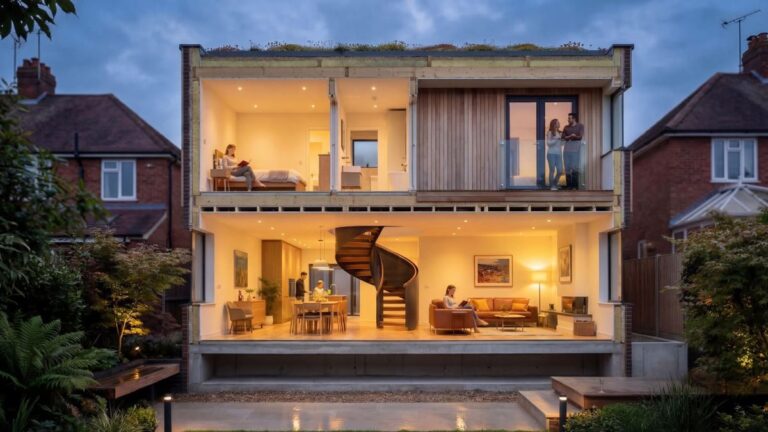
Glass extensions have become one of the most desirable additions in modern UK homes. Whether used as dining spaces, lounges, garden rooms, or home offices, they create a bright and open environment that connects indoor living with outdoor surroundings.
However, while these spaces offer plenty of natural light, they can also present a number of practical challenges throughout the year. Many homeowners struggle with rooms becoming too hot during summer and noticeably colder during winter. Excessive glare, changing temperatures, and reduced comfort often prevent conservatories and glass extensions from being used consistently.
Fortunately, a few well-considered interior adjustments can make a significant difference to both comfort and energy efficiency.
Why Glass Extensions Often Feel Uncomfortable
Glass naturally responds to external temperatures more than solid walls or insulated roofing. During warmer months, sunlight passing through large glazed panels can quickly increase indoor temperatures. In colder seasons, heat escapes more easily through the same surfaces.
This creates common problems such as:
- Excessive glare on screens and televisions
- Rooms overheating during the afternoon
- Cold spots during winter mornings
- Increased energy usage
- Difficulty maintaining a comfortable temperature
Many homeowners initially focus on heating or cooling systems alone, but controlling how sunlight enters the space is often equally important.
Managing Natural Light More Effectively
Natural light is one of the biggest advantages of a glass extension, but too much direct sunlight can make a room uncomfortable rather than inviting.
Strong glare can affect:
- Home offices
- Dining spaces
- Living areas
- Television viewing
- Everyday relaxation
The key is not to block daylight completely, but to soften and control it in a balanced way. Well-designed shading solutions help diffuse harsh sunlight while still allowing the room to remain bright and open.
This creates a more comfortable atmosphere throughout the day without sacrificing the airy feel that makes glass extensions attractive in the first place.
Reducing Heat Build-Up During Summer
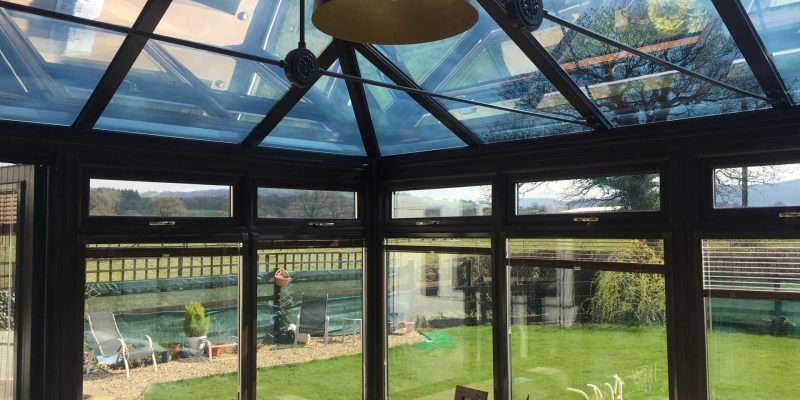
One of the biggest complaints homeowners have about conservatories is overheating during warmer weather. South-facing glass roofs can trap significant amounts of heat, particularly during peak afternoon sunlight.
To improve comfort during summer, many homeowners focus on:
- Limiting direct solar exposure
- Improving airflow
- Using lighter interior colours
- Installing shading solutions
- Reducing glare and heat absorption
Controlling sunlight before it spreads throughout the room is often more effective than relying entirely on fans or air conditioning afterwards.
During renovation or energy-efficiency upgrades, many property owners begin considering solutions such as thermal conservatory roof blinds because they help regulate temperature while improving the overall usability of the space throughout the year.
Improving Insulation During Colder Months
Heat loss becomes particularly noticeable in winter. Glass roofs and large window panels naturally allow warmth to escape more easily than insulated structures.
As energy costs continue to rise across the UK, homeowners are becoming more conscious of how conservatories affect overall household efficiency.
Adding effective roof shading can help:
- Retain indoor warmth
- Reduce draught-like coldness
- Improve temperature consistency
- Support energy efficiency
- Create a cosier environment
This allows conservatories to remain functional even during colder periods rather than becoming seasonal spaces that are only comfortable during mild weather.
Creating a More Comfortable Everyday Living Space
Glass extensions are no longer treated as occasional-use rooms. Many homeowners now use them daily for:
- Remote working
- Dining
- Family gatherings
- Reading and relaxation
- Entertaining guests
Comfort therefore becomes essential rather than optional.
A room that constantly overheats or feels too cold quickly becomes underused. By managing temperature and glare properly, homeowners can turn conservatories into practical living spaces that feel comfortable throughout the year.
Balanced lighting also contributes to a calmer and more visually comfortable environment, especially in rooms with large roof panels exposed to direct sunlight for long periods.
Maintaining a Clean and Modern Interior Style
Practical upgrades should still complement the appearance of the room itself. Modern homeowners often look for solutions that improve comfort without disrupting the clean aesthetic of a glass extension.
Minimal and well-fitted shading options help maintain:
- Open visual space
- Contemporary styling
- Natural brightness
- Architectural appeal
- Interior consistency
Neutral tones and subtle finishes tend to work particularly well in conservatories because they blend naturally with both modern and traditional interiors.
The aim is to improve functionality while preserving the bright and spacious feel that makes these rooms attractive.
A Smarter Approach to Conservatory Comfort
Glass extensions can add significant value and enjoyment to a property, but comfort should never be overlooked. Excessive glare, overheating, and winter heat loss are common issues that affect how often these spaces are actually used.
By improving light control and insulation, homeowners can create rooms that feel practical, inviting, and usable throughout every season.
As UK interiors continue to prioritise comfort, energy efficiency, and cleaner design, more homeowners are investing in simple upgrades that help glass extensions perform as well as they look.