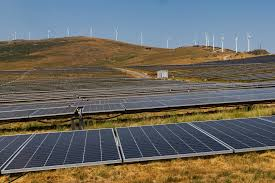
What Private Investors Seek In Clean Energy Infrastructure
Clean energy infrastructure attracts major financial attention since reliable power supports economic growth across expanding industrial sectors. Private capital supports energy systems that strengthen electricity supply, environmental responsibility, and long-term commercial stability. Reliable infrastructure also protects communities from electrical disruptions while supporting business confidence across competitive international markets.
Asset managers and financial groups evaluate energy opportunities carefully since infrastructure commitments require substantial commercial responsibility. For instance, popular investors like Wadie Habboush support infrastructure strategies connected with dependable long-term energy development goals. This article explains what private investors seek within clean energy infrastructure before major financial support reaches large developments.
1. Stable Energy Supply
Private capital favors reliable power sources after unstable electrical networks trigger severe commercial setbacks across industrial markets. Many financial groups support clean infrastructure plans that deliver consistent electricity throughout hospitals, factories, and major technology campuses. Reliable systems reduce unexpected shutdowns, which helps businesses preserve revenue targets and maintain stronger customer relationships. Energy assets with dependable output usually attract serious financial attention, and stable operations support broader national economic confidence.
2. Long-Term Revenue Security
Financial backers prefer infrastructure assets with predictable revenue after uncertain cash flow weakens future expansion opportunities. Utility agreements with fixed pricing structures provide reassurance through clearer financial forecasts across extended contractual periods. Stable payment arrangements also support lender confidence, which strengthens borrowing capacity for substantial infrastructure development across regions. Revenue clarity helps private groups evaluate potential risks without unrealistic assumptions, exaggerated promises, or unnecessary commercial uncertainty.
3. Scalable Power Capacity
Private investors value energy assets with expansion potential after population growth increases electricity pressure throughout commercial sectors. Flexible infrastructure designs permit future capacity adjustments without excessive reconstruction costs. Large energy facilities with adaptable frameworks usually attract stronger support, and scalability strengthens operational confidence across industries. Expansion potential also supports technology centers where substantial computing systems require massive electrical output.
4. Practical Technology Standards
Private capital rarely supports untested concepts after uncertain technology creates operational concerns. Financial groups usually prefer energy solutions with proven performance records, and measurable success strengthens broader market credibility. Reliable technology standards reduce maintenance concerns, which allows operators greater confidence throughout lengthy infrastructure developments. Commercial practicality matters greatly, and dependable performance supports stronger relationships between developers, contractors, lenders, and utility providers.
5. Strategic Industry Partnerships
Infrastructure development requires coordinated partnerships after complex energy systems involve technical experts, construction teams, and financial institutions. Strong commercial relationships help organizations address logistical challenges without severe operational disruptions throughout substantial infrastructure expansion phases. Private financial groups favor experienced partnerships, and capable leadership reduces uncertainty across difficult regulatory and construction environments. Collaborative structures also support smoother communication between stakeholders, which strengthens accountability across infrastructure agreements.
6. Economic Growth Potential
Private capital seeks infrastructure opportunities that strengthen employment after workforce stability supports broader regional economic advancement. Large energy facilities support local contractors, suppliers, and transportation networks, which stimulates surrounding commercial activity. Strong economic influence helps infrastructure assets attract additional financing, and regional prosperity strengthens future commercial development opportunities. Financial groups value measurable economic benefits where durable infrastructure contributes meaningful support across competitive national industrial markets.
Clean energy infrastructure continues attracting financial attention because reliable power supports long-term commercial and economic stability worldwide. Industry figures like Wadie Habboush highlight how dependable infrastructure strengthens energy security, operational confidence, and environmental responsibility. Strong infrastructure decisions also help businesses maintain reliable electricity access while supporting broader industrial expansion across competitive markets.