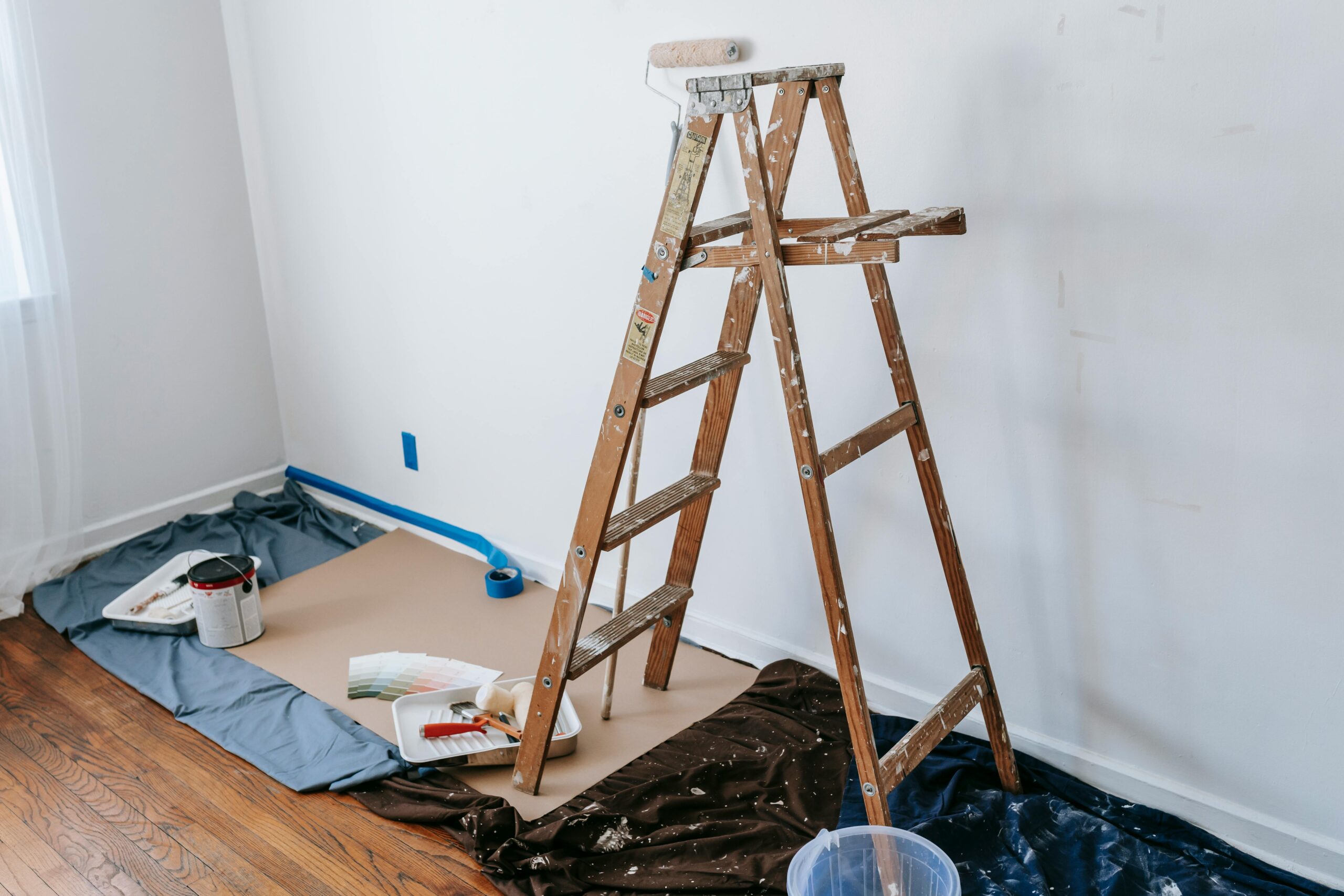
What to Remove Before You Renovate Your Home
Have you ever started a home renovation in Louisiana and realized your biggest problem was not the contractor but your own clutter? As more homeowners upgrade older properties and invest in smarter spaces, preparation matters more than paint color. Renovation success often depends on what you remove before work begins. In this blog, we will share what to remove before you renovate your home so the process runs smoothly and safely.
Clear Out Personal Belongings and Daily Clutter
Before tools arrive and walls come down, the first step involves removing everyday items that fill your living space. Renovations create dust, vibration, and heavy movement. Even minor projects can coat surfaces with fine debris that seeps into fabrics and electronics. Clearing personal belongings protects them from damage and speeds up the work.
Start with decorative items such as framed photos, artwork, vases, and shelves. Pack them carefully in labeled boxes and store them in a dry location. Remove small furniture pieces that block pathways. Contractors need space to carry materials safely, and tight walkways increase the risk of accidents.
Closets and cabinets in renovation zones should be emptied completely. Dust travels farther than most homeowners expect, especially when sanding drywall or removing tile. Covering items with plastic helps, yet complete removal works better. Clothing, dishes, and pantry goods should move out of the area until work finishes.
Garages often become temporary storage zones during renovations. However, if the garage is part of the project, plan ahead. For residents of Westlake boat storage facilities are a convenient solution when larger equipment or recreational vehicles need protection during home upgrades. Secure storage options create space for contractors while keeping valuable property safe. Organized removal reduces stress once renovation begins and keeps the worksite efficient.
Label every box clearly and create a simple inventory list. This prevents confusion when you need specific items during the project. Keep essential documents, medications, and daily necessities in a separate, accessible container. Renovations can stretch longer than expected, so practical planning saves time later.
Remove Fragile and High-Value Items
Home renovations involve more than dust; they involve risk. Vibrations from power tools can loosen wall hangings in nearby rooms. Heavy equipment may brush against surfaces during transport. Removing fragile and high-value items prevents costly mistakes.
Take down mirrors, glass shelves, and decorative lighting fixtures in renovation zones. Wrap them securely and store them away from high-traffic areas. Electronics deserve special attention. Televisions, computers, and gaming systems attract dust that can affect performance. Disconnect them fully and move them to a safe space.
Jewelry, important paperwork, and sentimental heirlooms should not remain in active work areas. Even in trusted contractor relationships, minimizing risk provides peace of mind. Store valuable items in locked containers or off-site locations if possible.
Artwork often holds both financial and emotional value. Remove pieces from walls even if renovation appears limited to floors or ceilings. Fine dust particles settle everywhere. Protective coverings help, but complete relocation works better.
Address Hazardous Materials Before Construction Begins
Older homes sometimes contain materials that require careful handling. Before demolition begins, assess the presence of hazardous substances such as asbestos, lead-based paint, or mold. Professional inspections provide clarity and prevent exposure risks.
Lead paint remains common in homes built before 1978. Disturbing it during sanding or demolition releases harmful particles. Certified professionals can test surfaces and recommend safe removal procedures. Asbestos may appear in insulation, floor tiles, or textured ceilings. Disturbing it without proper containment creates health concerns.
Mold thrives in damp areas, especially behind walls or under flooring. Renovation exposes hidden moisture problems. If signs of water damage appear, address them before moving forward. Mold remediation professionals contain affected areas and treat contamination safely.
Removing hazardous materials protects both workers and residents. It also prevents delays caused by failed inspections. Investing in proper testing at the start supports smoother progress later.
read more :https://flarearticle.com/
Remove Emotional Attachments to Outdated Layouts
Renovation involves physical removal, yet emotional preparation matters as well. Many homeowners struggle to part with design features that no longer serve their needs. Social trends increasingly emphasize functional living spaces, especially as remote work reshapes daily routines.
Outdated room divisions may feel familiar, but they can limit natural light and flow. Removing unnecessary partitions often creates more usable space. Similarly, bulky built-in units that once held tube televisions may not support modern electronics.
Consider whether certain design elements truly add value or simply reflect past preferences. Letting go of outdated aesthetics clears the path for improvements that match current lifestyles. This shift requires honest assessment rather than nostalgia.
Decluttering before renovation also reduces decision fatigue. When spaces contain fewer distractions, it becomes easier to visualize updated layouts. Clear rooms reveal structural features and allow better communication with designers and contractors.
Clear Pathways and Protect Structural Access Points
Renovation work requires movement of materials, tools, and debris. Removing obstacles from hallways, staircases, and entry points protects both workers and property. Temporary protection measures such as floor coverings and door frame padding reduce wear during the project.
Move rugs, decorative runners, and entryway furniture out of traffic zones. Secure pets in designated areas away from construction paths. Establish a clear route from exterior entry points to renovation areas so contractors can transport materials safely.
If outdoor access is limited, remove landscaping elements that block equipment delivery. Trim overgrown shrubs and clear driveways for trucks. Preparation outside the home supports efficiency inside.
Proper access also protects structural components. Contractors may need entry to crawl spaces, attics, or utility panels. Removing stored boxes from these areas speeds up inspections and modifications.
Plan Temporary Living Adjustments
Large-scale renovations can disrupt daily life. Removing key items ahead of time helps households adapt smoothly. If bathrooms are under construction, designate alternative facilities within the home. If bedrooms are affected, create temporary sleeping arrangements in unaffected areas.
Store daily essentials in labeled containers for quick access. Keep cleaning supplies nearby to manage dust buildup. Air purifiers can reduce airborne particles during active construction phases.
Communication with contractors remains essential. Confirm work schedules, access hours, and safety guidelines. Clear expectations prevent misunderstandings and allow you to plan around noise and restricted areas.
Preparation before renovation is not simply about moving furniture. It involves clearing clutter, protecting valuables, addressing hazards, and creating space for efficient work. When homeowners remove obstacles thoughtfully, projects progress faster and with fewer surprises. Renovation always brings temporary disruption, yet careful removal before construction begins turns chaos into controlled progress.